
Tet on Two Wheels: A Cycling Journey to Con Dao Island, Vietnam (Part 1)
A quiet Tet cycling journey to Con Dao Island, Vietnam — Tet on Two Wheels is a personal ride through history, reflection, and rediscovering the country beyond the noise.
TRAVEL
Hein Lombard
12/21/20255 min read
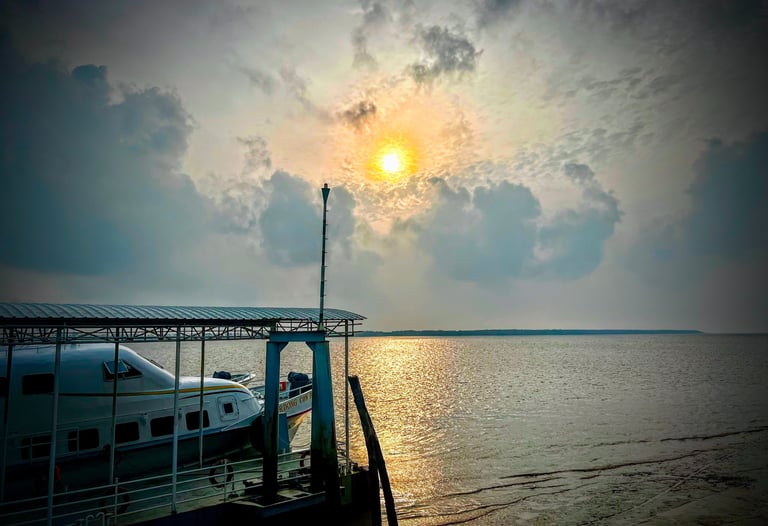

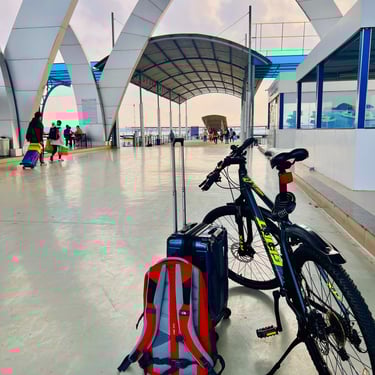
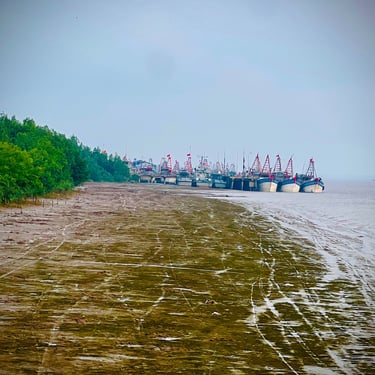
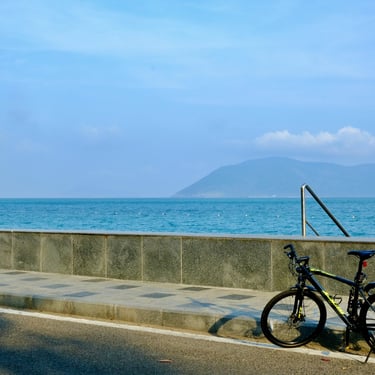
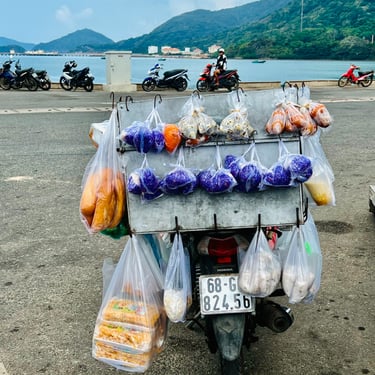
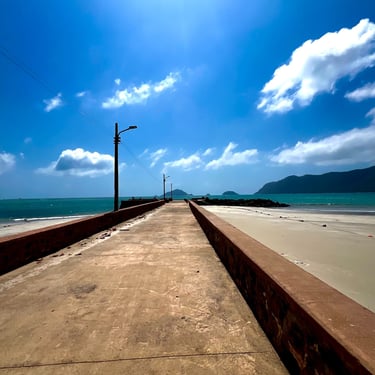
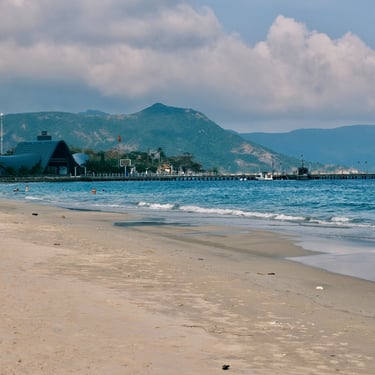
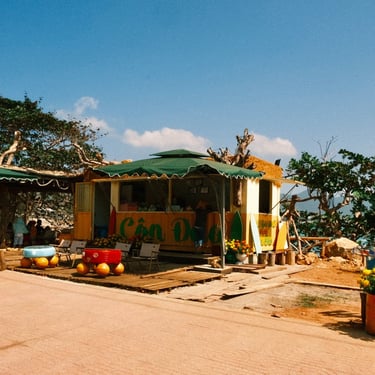
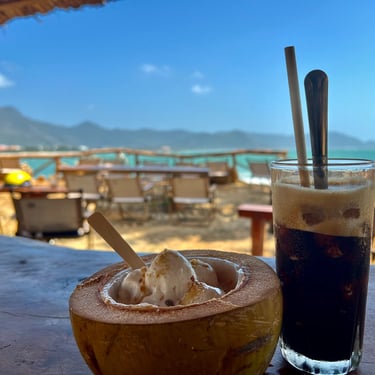
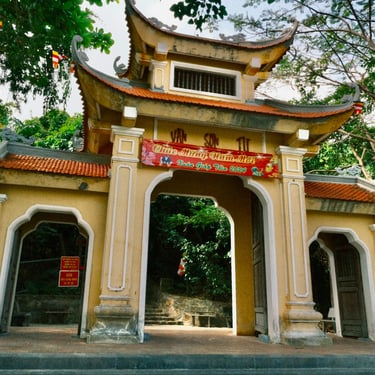
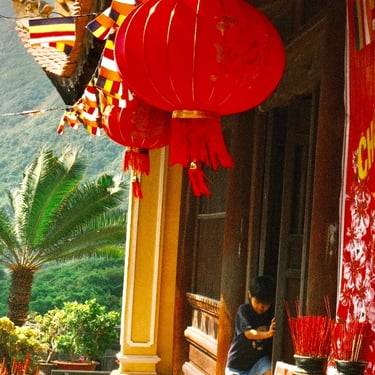
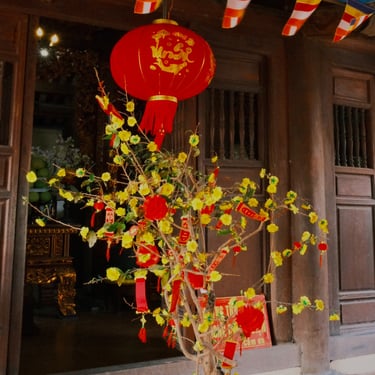
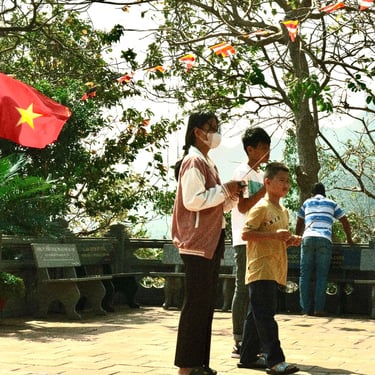
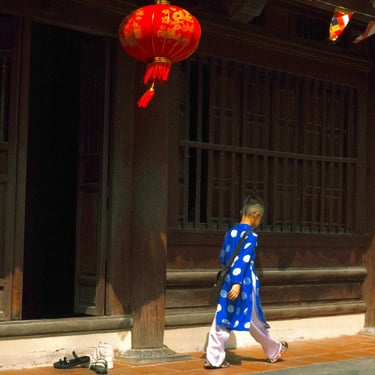
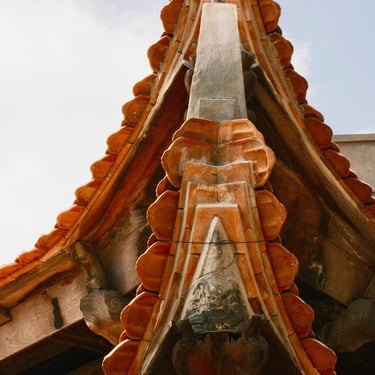
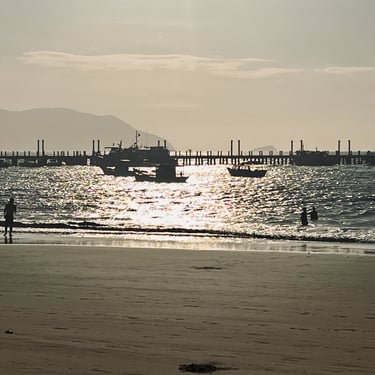
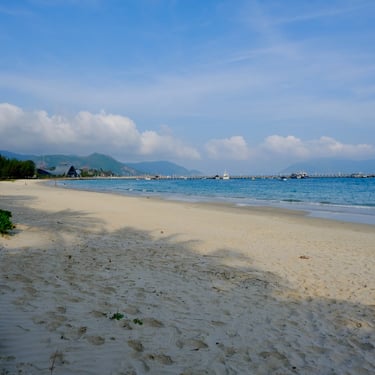
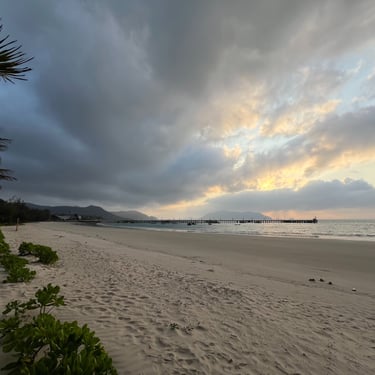
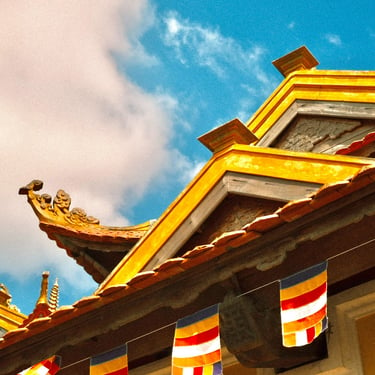
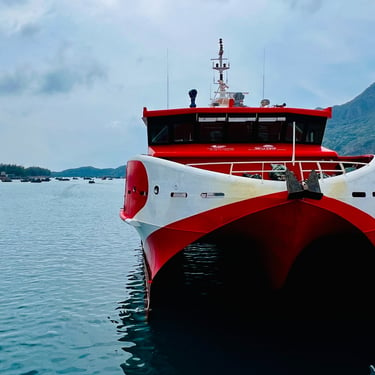
These are the moments between destinations. Small, quiet scenes that don’t announce themselves, but linger long after the ride ends.
Tet on Two Wheels: The Con Dao Run
The Mission: Escape the mainland for Tet 2025. No motorbike rentals. No taxis. Just a mountain bike, a desire for open roads, and quiet beaches.
The Vibe
Con Dao isn’t Phuket. It isn’t Bali. While the mainland explodes with karaoke and crowded pagodas for Tet, Con Dao is quiet, raw, and seemingly difficult enough to reach that it filters out the crowds.
That’s the point. This place rewards effort—and when you arrive on your own wheels, pedaling off the ferry with salt spray still drying on your arms, you’ve already earned it.
1. The Logistics: The "Soc Trang Shortcut"
Most guides funnel you toward the obvious routes: fly from Saigon (expensive) or endure the boat from Vung Tau (long and rolling). But if you’re starting from the Mekong Delta, the Tran De Port in Sóc Trăng is your secret weapon.
• The Boat: Superdong. Reliable, fast, and bike-friendly.
• The Bike Fee: Budget around 50k–100k VND. Small price for freedom.
• The "Pro" Tip: The Bien Dong Sea doesn't mess around. If your stomach gets queasy on moving water, pop the Dramamine 30 minutes before boarding. Trust me on this one.
• The Arrival: You’ll dock at Ben Dam Port. It’s isolated on the southern tip of the island, meaning your adventure begins the second you roll off the gangplank.
2. The Ride: Ben Dam to Con Son (13km)
This is where you find out if bringing a mountain bike was genius or hubris. The route is a 12–14km winding coastal road that hugs the eastern shore. It is gorgeous, but it is mercilessly exposed to the afternoon sun (and often a stiff headwind).
• The "Pro" Tip: Ship your luggage ahead. Seriously. I arranged a pickup with my hotel at the dock, which meant I could attack those climbs unencumbered instead of grunting uphill with 15 kilos of clothing and camera gear strapped to my back.
The ride was everything I’d hoped for: air-conditioned taxis screamed past, oblivious, while I had the shoulder of the road, the smell of the ocean, and long stretches of silence.
3. Where to Sleep: A Cross-Section
Con Dao used to cater to two extremes. Now, there is a full spectrum. Here is the range from "dream vacation" to "traveler's deal"—and how they handle a muddy mountain bike.
• The Splurge (5-Star): Six Senses. Barefoot eco-luxury. It's isolated near the airport, far from town. You go here to never leave the property ($800++ USD/night).
• Biker Note: Great for privacy, but a long pedal if you want street food in town.
• The Sweet Spot (Boutique): The Secret Con Dao. My Pick. Modern luxury that respects the island’s colonial past. It has the best pool in town, sits right on the water, and is walkable to everything ($100–$150 USD/night).
• Biker Note: They didn't bat an eye when I rolled my bike up to the valet. Very accommodating.
• The Budget (Social): Uyen’s House. Stylish, young energy. Con Dao has dozens of simple "Mini Hotels" (Nhà Nghỉ) for $20, but this place adds design sense and community.
• Biker Note: A great spot to swap route tips with other travelers.
4. The "Quiet Tet" Reality
I timed my trip for Tet 2025. I expected chaos; what I got was a ghost town in the best possible way.
• The Surprise: The island stays blissfully quiet during the day. Restaurants were open, tables were easy to snag, and the streets were nearly empty.
• The Exception: The Night Market. This is the island’s heartbeat during Tet. It’s the only place that feels "busy," but in a warm, communal way—families eating together and lanterns swaying overhead.
5. The Culture: A Tet Pilgrimage
You can’t spend Tet in Vietnam and skip the spiritual dimension. I pedaled up to Van Son Tu Pagoda on Nui Mot, but the mountain bike only gets you so far.
To reach the top, you have to earn the view. There are many steep, narrow steps to climb before you reach the sanctuary. In the midday heat, it's a workout, but the reward is a panoramic view of the bay that makes every step worth it.
• A Note on Respect: While Con Dao is a laid-back island, the pagoda is deeply sacred.
• The Dress Code: This is not the place for beachwear. Dress respectfully (shoulders and knees covered).
• The Ethics: You don't want to stand out like a sore thumb in a place of worship. This is especially true if you are carrying a camera. If you want to take photos, do it discreetly. Don't let your gear or your outfit interrupt the quiet pilgrimage of the locals.
6. Gear Check: The "Memory Collector" Setup
I am by no means a professional photographer; I’m someone who collects memories. I travel solo so I can stop whenever the light hits something interesting without the guilt of making a travel partner wait. Here is the lightweight setup I carried on the bike to bottle up the feeling of the trip:
• The Camera: Fujifilm X-S10. In my humble opinion, the smartest travel body right now. It packs IBIS (In-Body Image Stabilization) in a body I can operate one-handed while coasting.
• The Secret Sauce: I hate editing on a laptop. I use Fujifilm’s built-in Classic Chrome simulation for a muted, documentary look. I can post JPEGs straight to Instagram while I’m having dinner.
• The Lens: Fujinon XC 15-45mm. Lightweight and sharp. The 15mm wide end is a lifesaver for sweeping coastal panoramas and tight pagoda interiors.
• The Lifeline: I kept my iPhone alive for GPS with an Anker MagSafe battery pack. In 32°C heat, your battery will tank—this is a survival item.
7. Rapid Fire FAQ
• Is it expensive? About 20-30% more than the mainland for food.
• Ferry bookings? Do it weeks in advance for Tet. No exceptions.
• Connectivity? Solid 4G in town. Spottier in the National Park interior.
• Sandflies? Yes. They are tiny monsters at Bai Nhat. Bring coconut oil or industrial spray.
A Final Thought
I didn't come to Con Dao lightly. Its history carries weight, and I hesitated, unsure whether this was a place meant for rest or remembrance. What I found was both. The island doesn't erase its past or soften it for visitors. It lives alongside it, quietly and without spectacle.
Riding its roads during Tet, sharing space with families, monks, fishermen, and vendors, I was reminded of something I'd started to forget after years of living here: Vietnam's strength isn't just in how it remembers hardship, but in how it keeps moving forward without bitterness.
Con Dao didn't feel haunted. It felt dignified. Leaving the island, bike dusted and legs sore, I carried more than photos home. I carried a renewed respect for a country that endured, adapted, and continues to evolve with remarkable grace.
Next Up
In Part 2, the tone shifts. We leave the beaches behind and confront what makes Con Dao unforgettable for reasons that have nothing to do with turquoise water.
Where to stay on Con Dao
Accommodation on Con Dao is low-key and spread out, with most places clustered around Con Son town and along the main coastal road. You’ll find a mix of small guesthouses, mid-range hotels, and a few higher-end resorts, all shaped by the island’s quiet, protected feel. Prices can change quickly depending on season and weekends, so checking availability early makes a big difference.
© 2025. All rights reserved.
hello@gonomadnest.com